Climbing Mount Everest: Summit #3 of My Singaporean Seven Summits Expedition
My 2019 Summit After a 2017 Setback
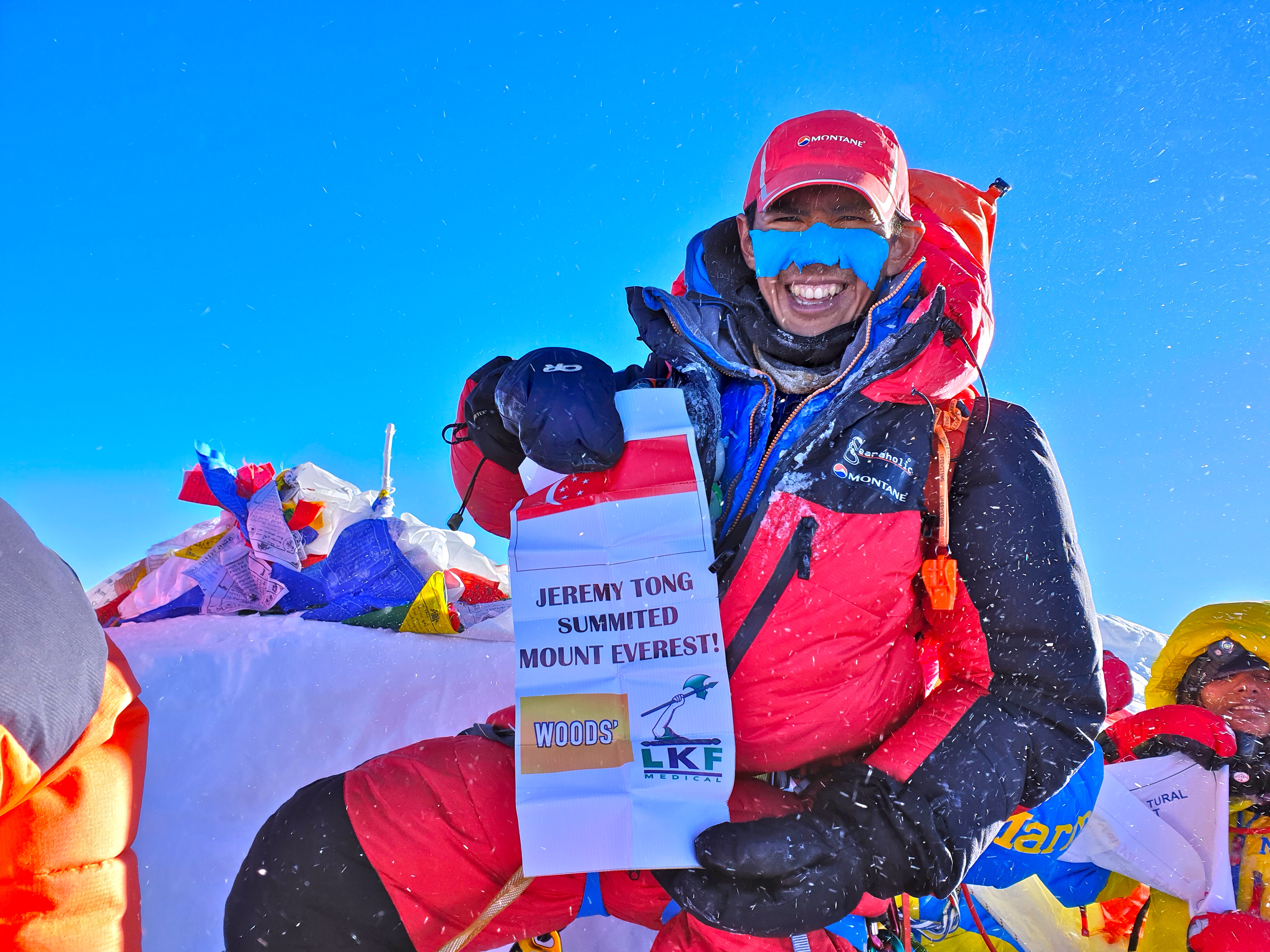
In May 2019, I achieved a lifelong dream: standing atop Mount Everest, the world’s highest peak at 8,848 meters. This triumph was especially meaningful as it followed a challenging attempt in 2017, where I had to turn back due to hypothermia just 150 metres from the summit.
The 2017 Attempt
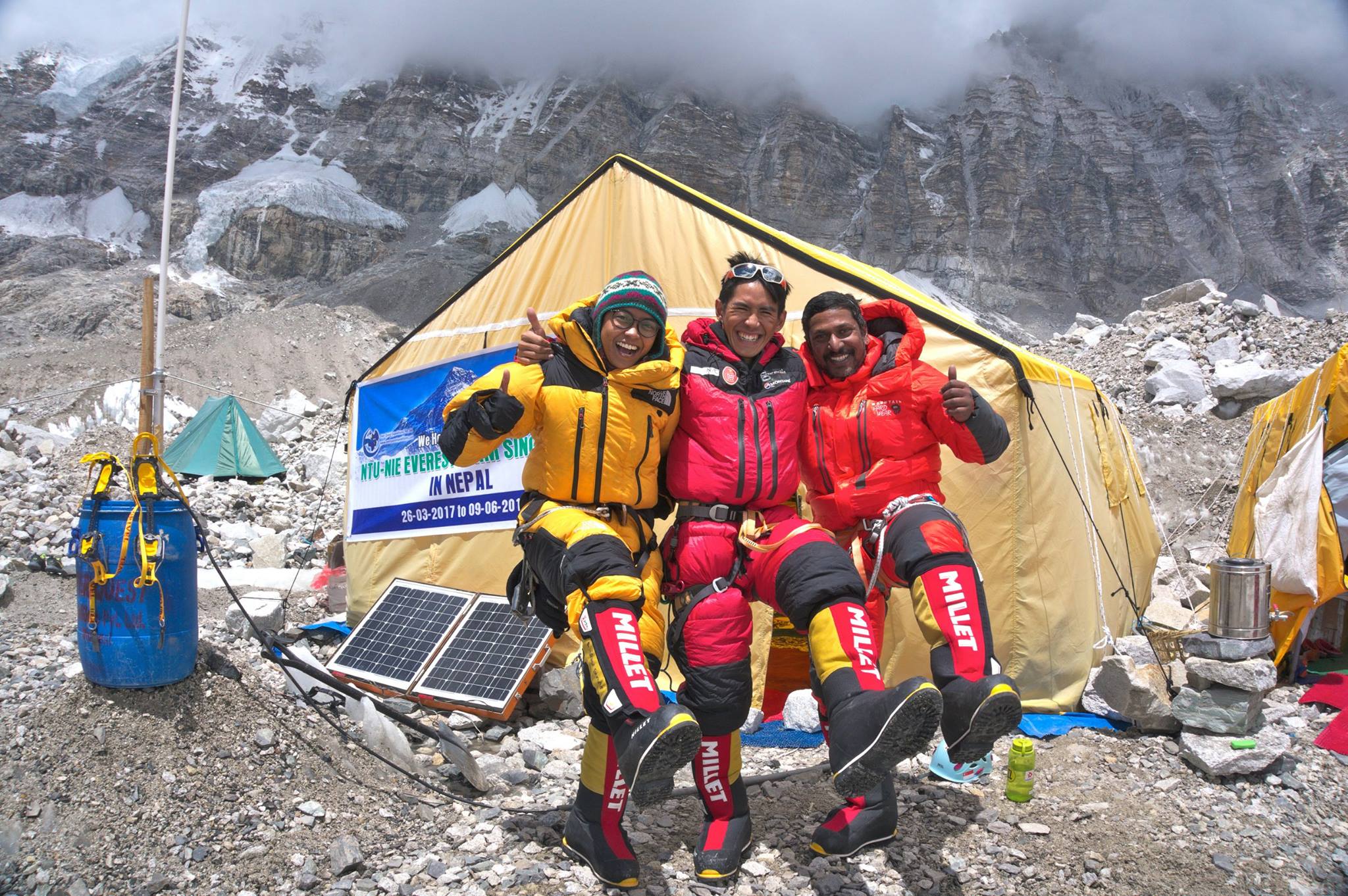
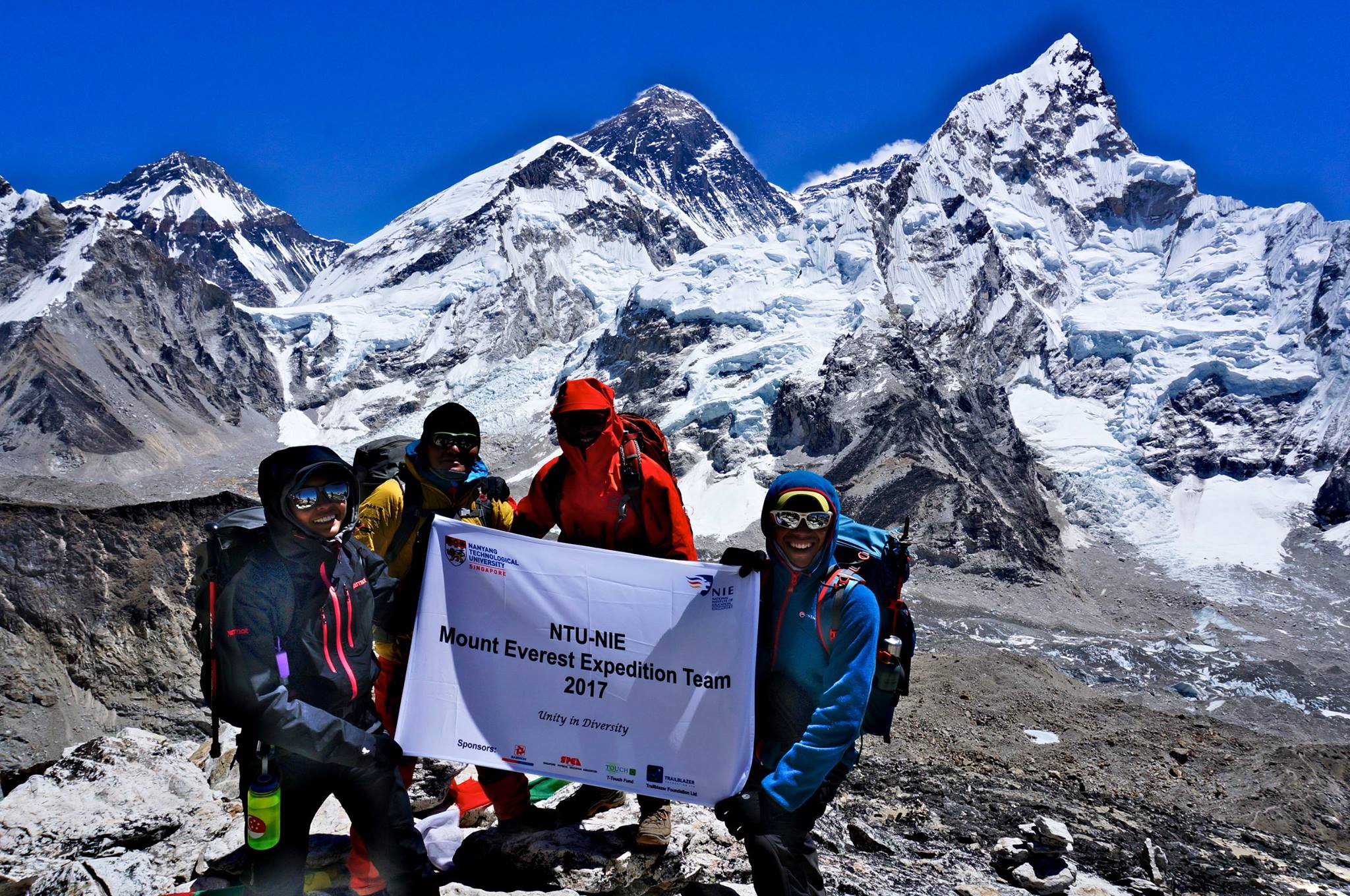
In 2017, I was part of the NTU-NIE Everest Team Singapore, aiming to be the first multi-racial team from Singapore to summit Everest. Unfortunately, severe hypothermia forced me to abandon the climb near the South Summit. This experience was a humbling reminder of the mountain’s unpredictability and the importance of respecting its challenges.
The 2019 Expedition
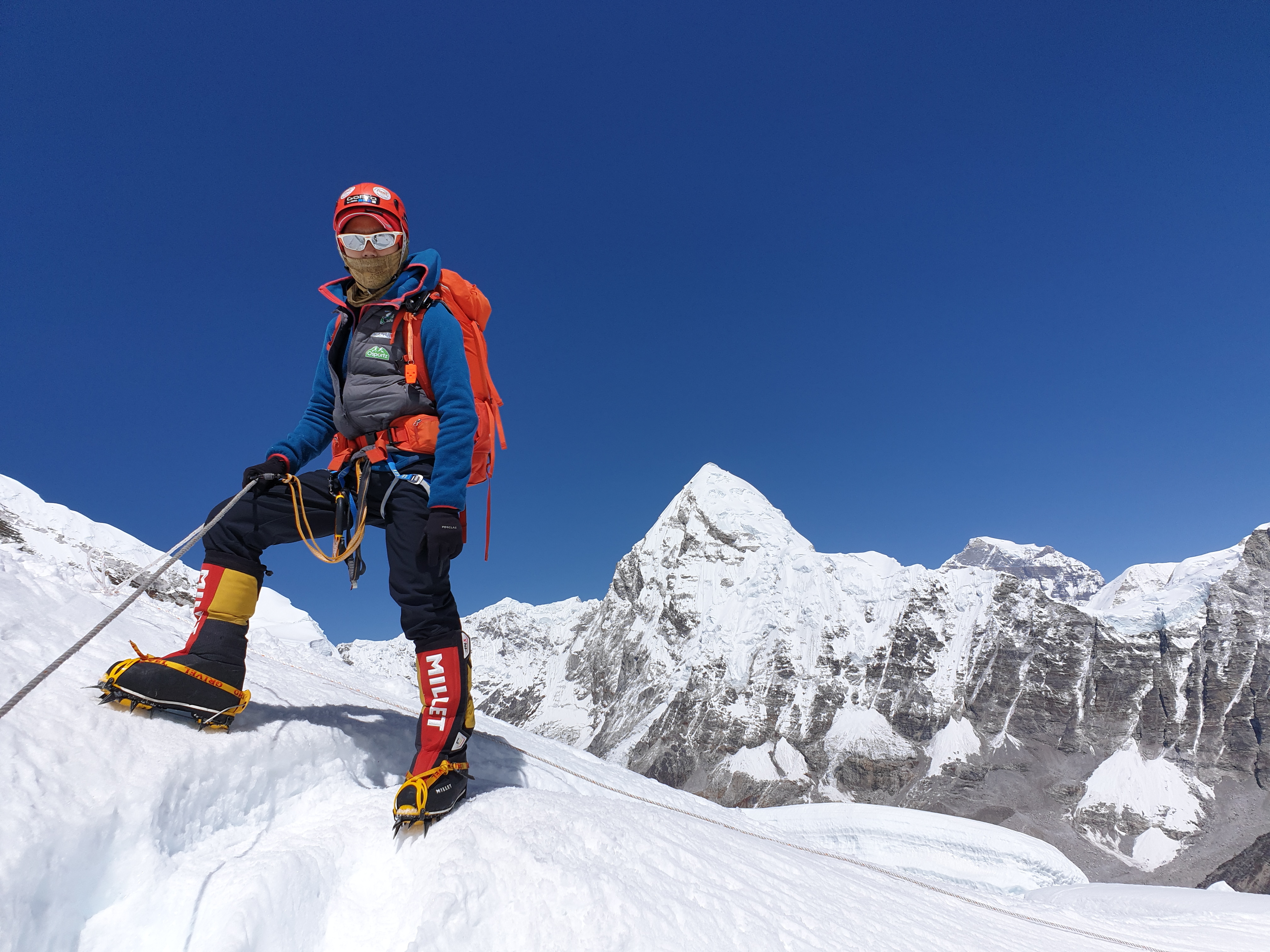
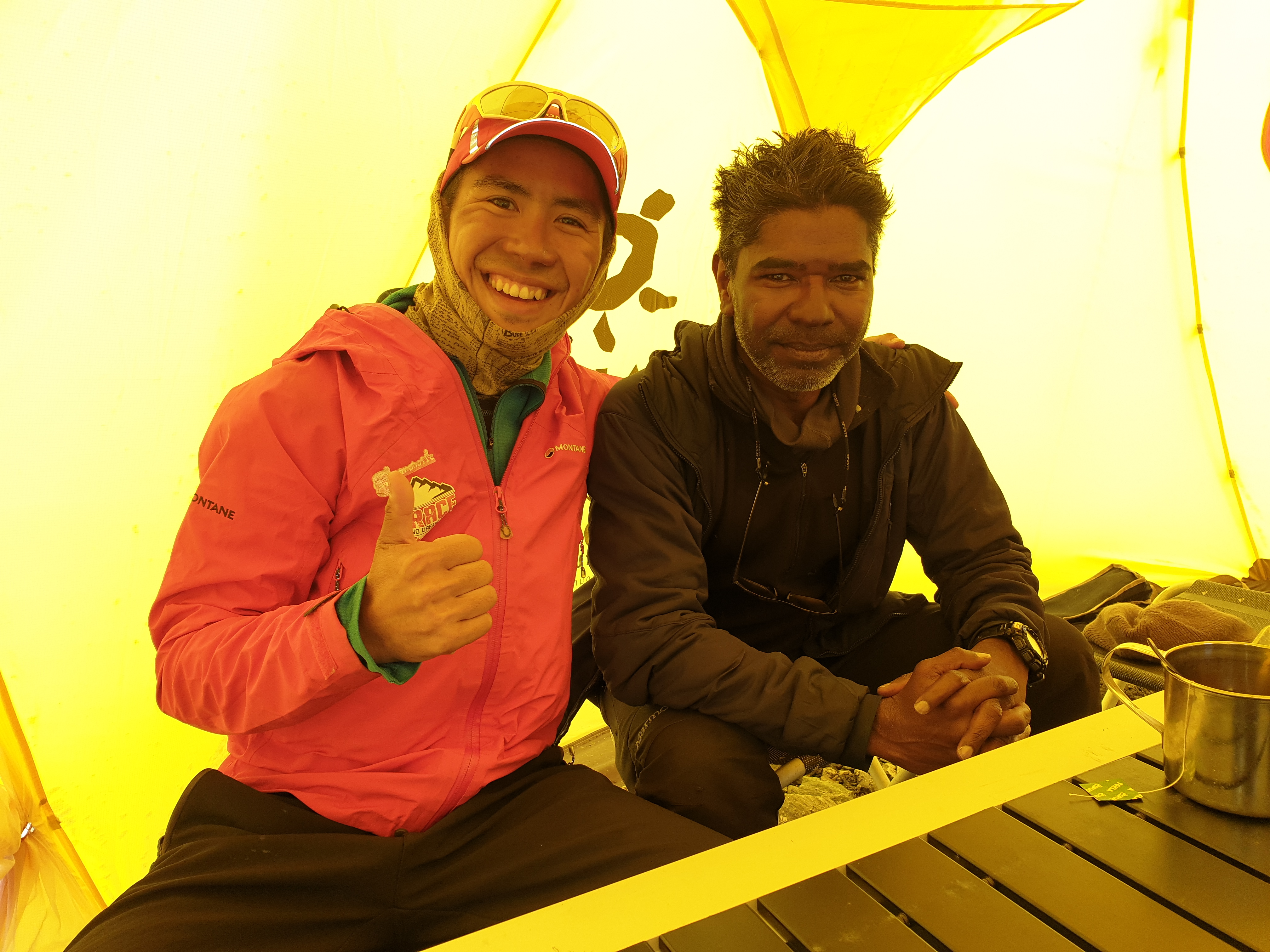
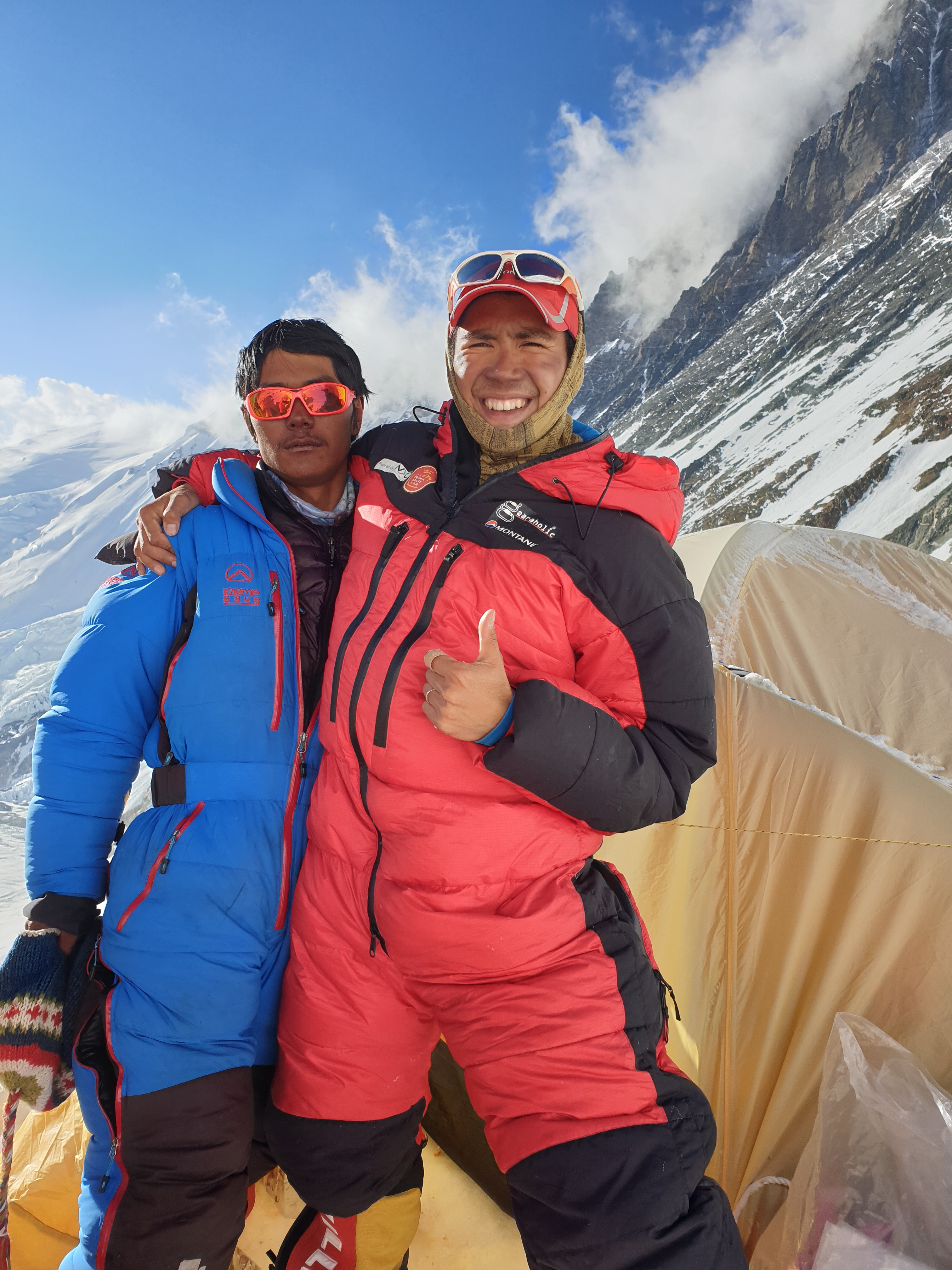
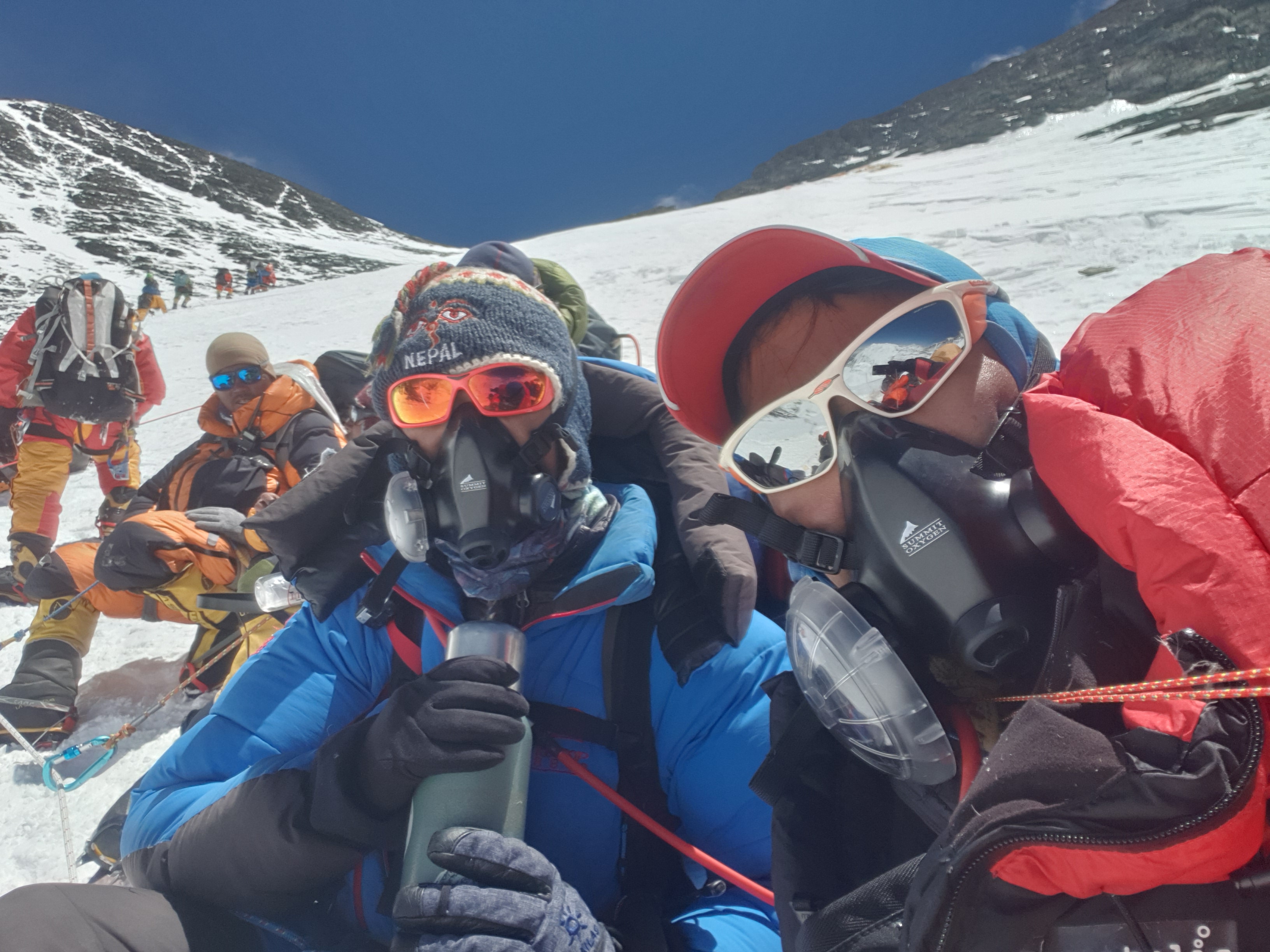
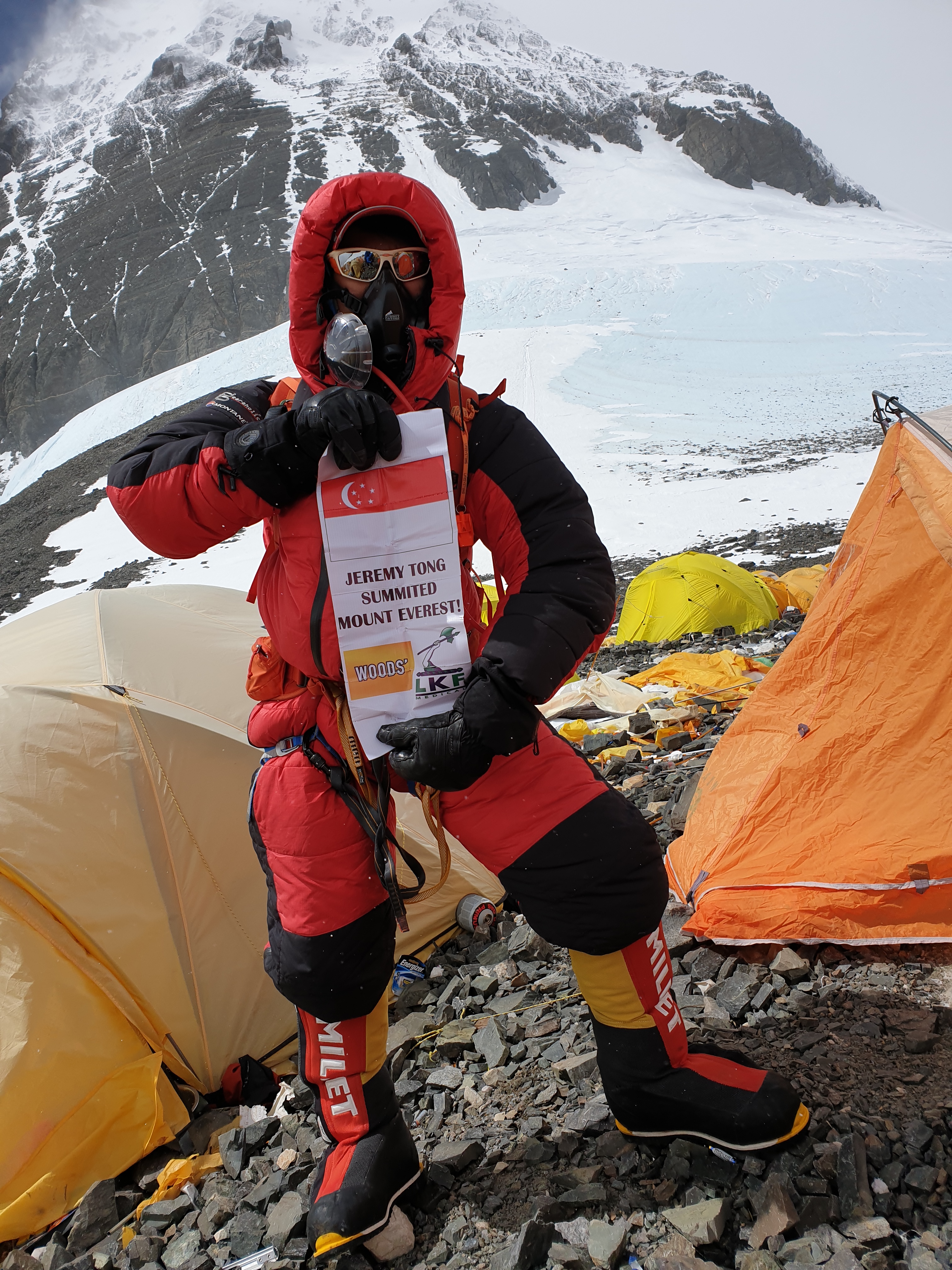
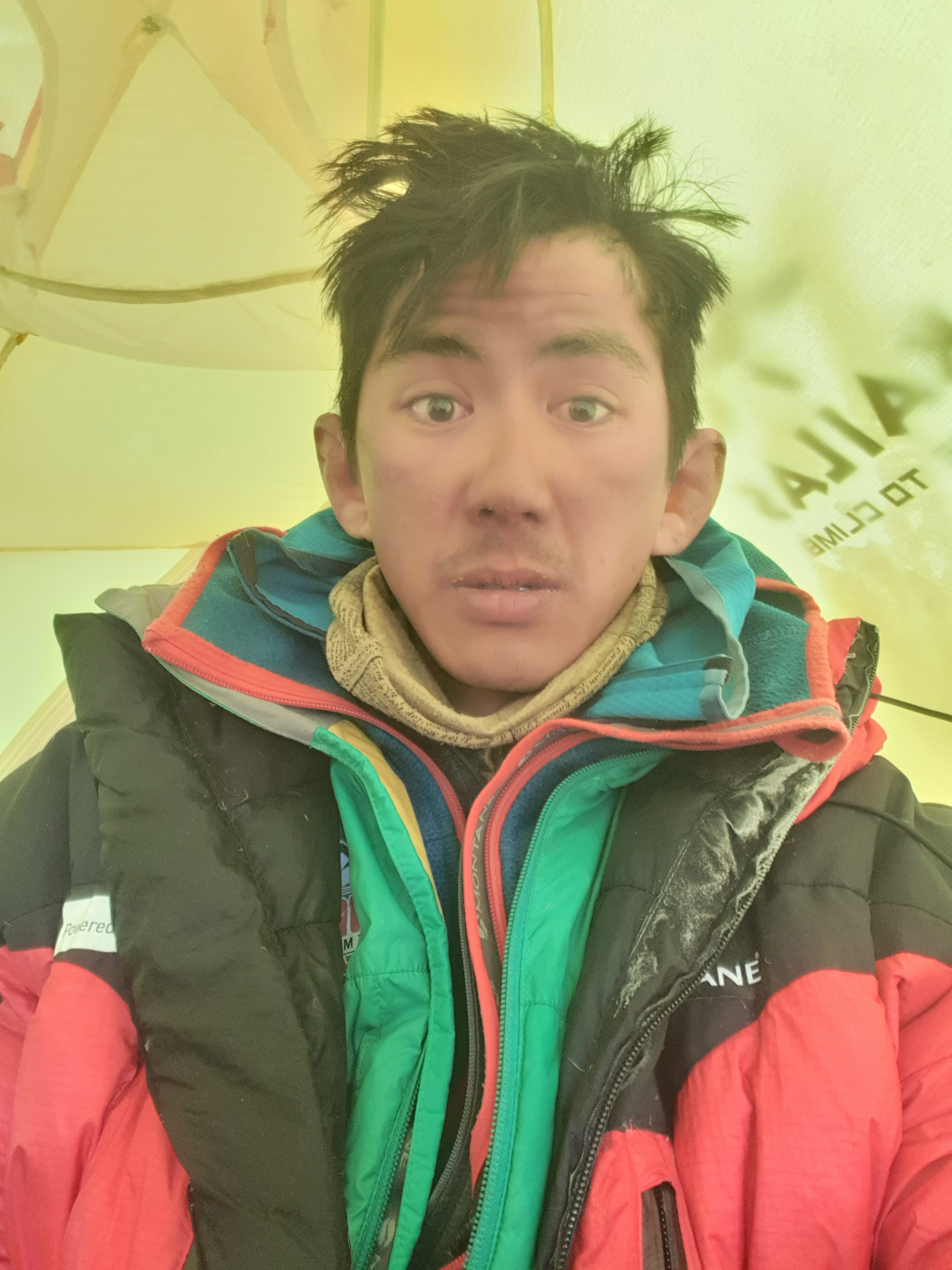
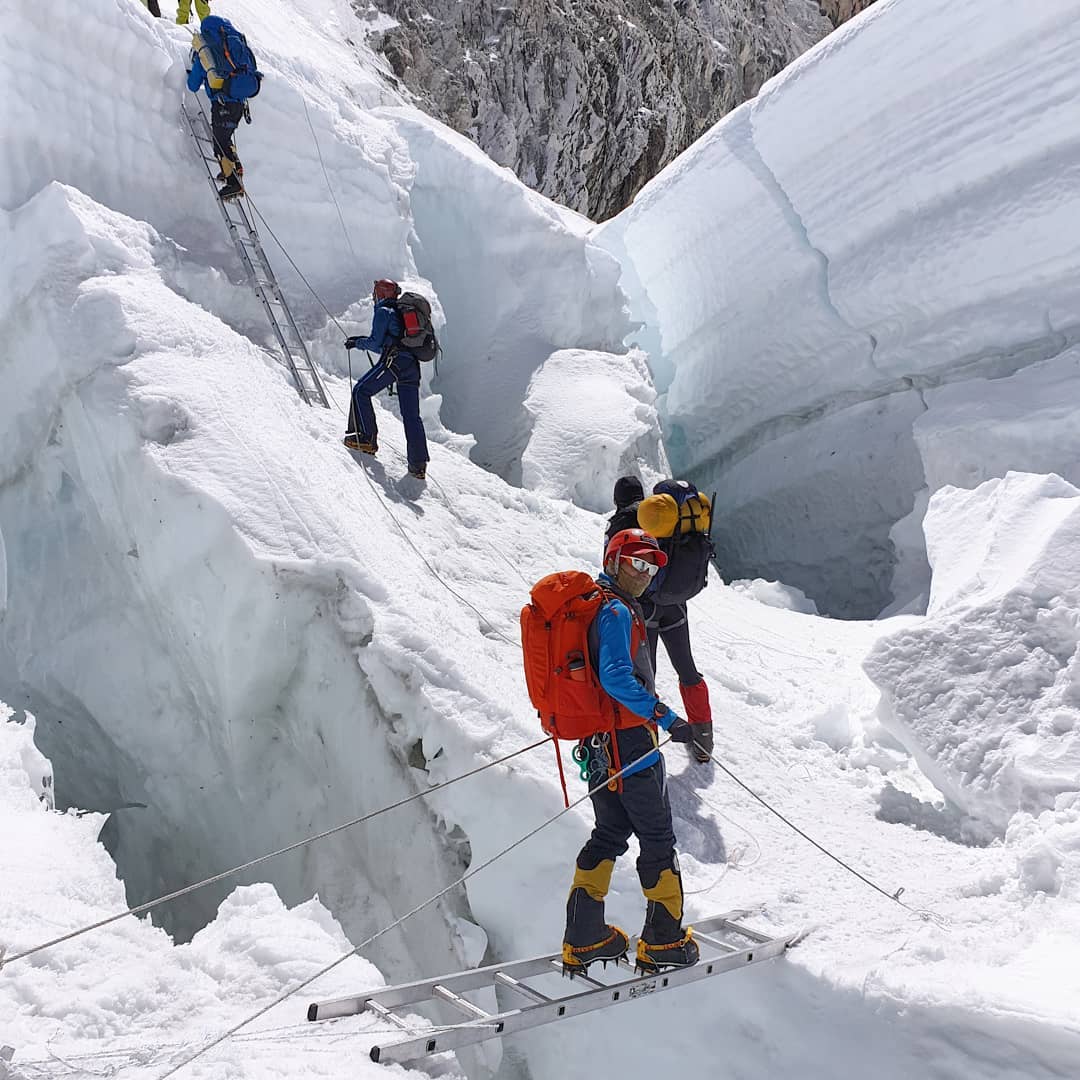
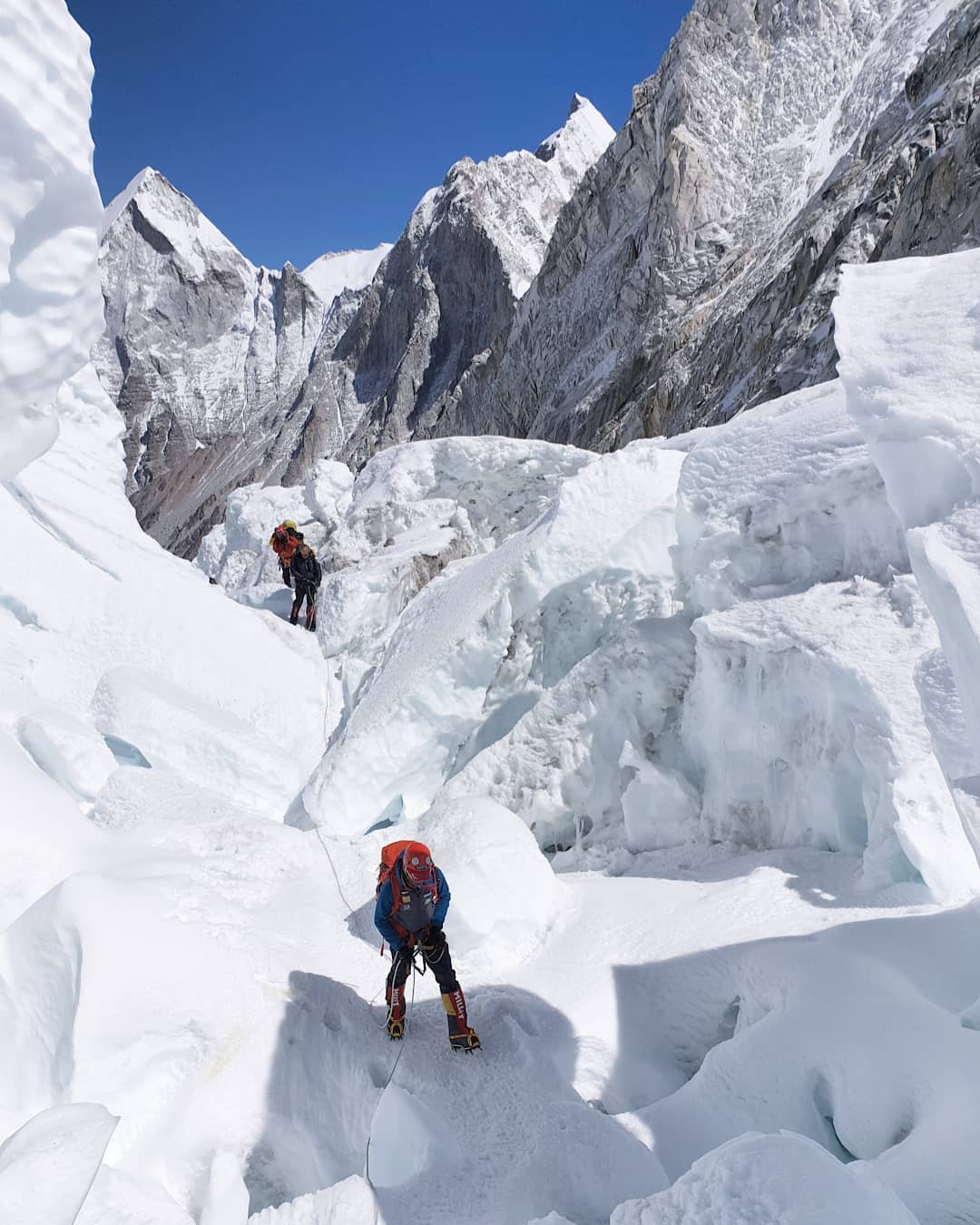
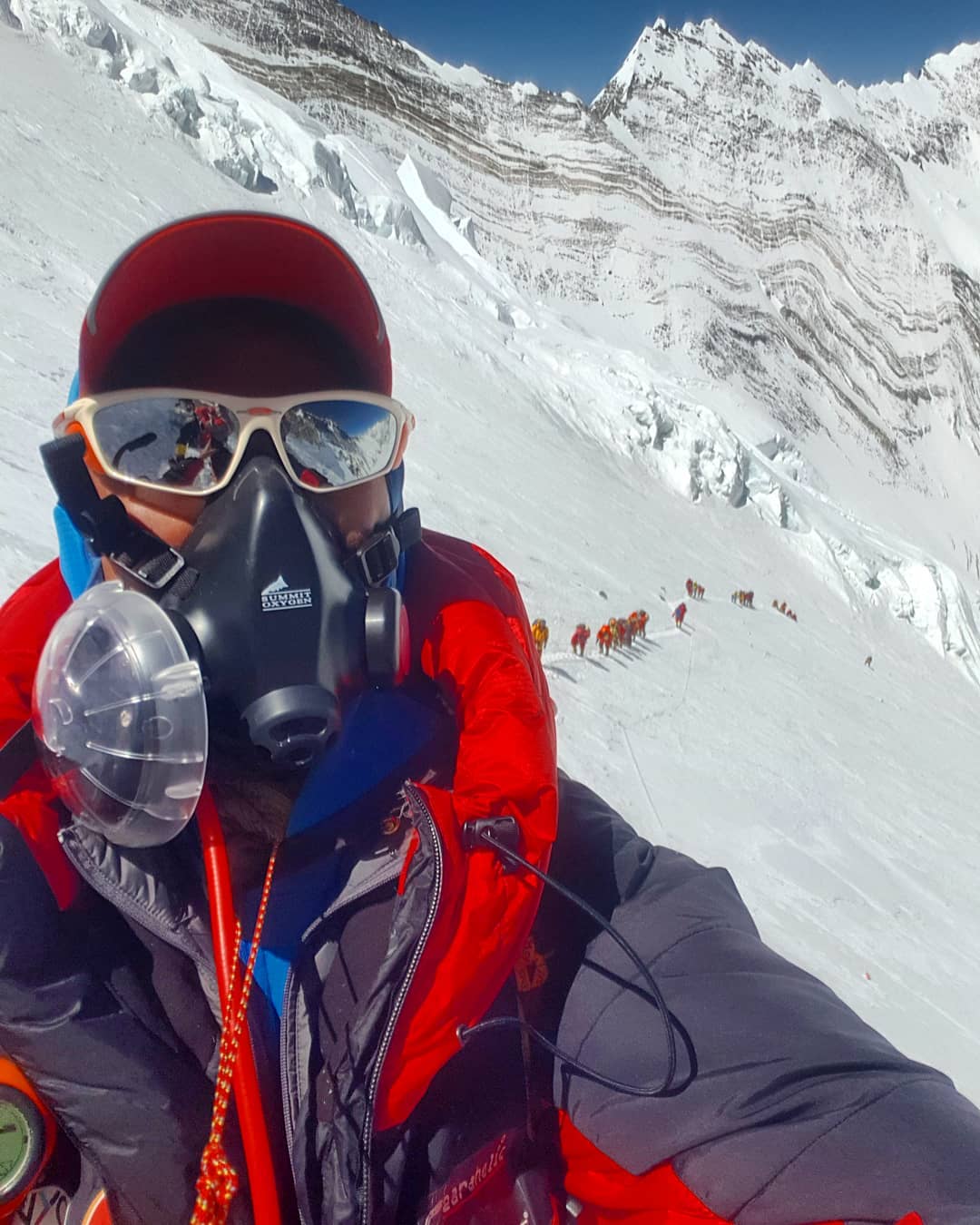
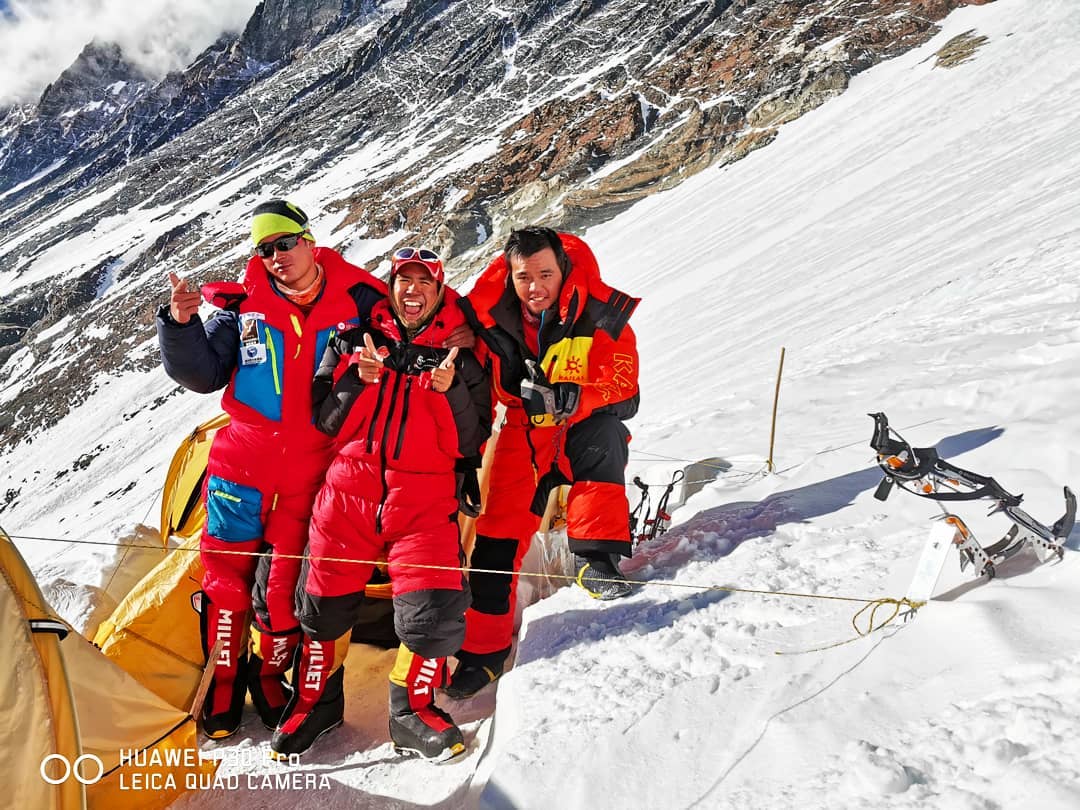
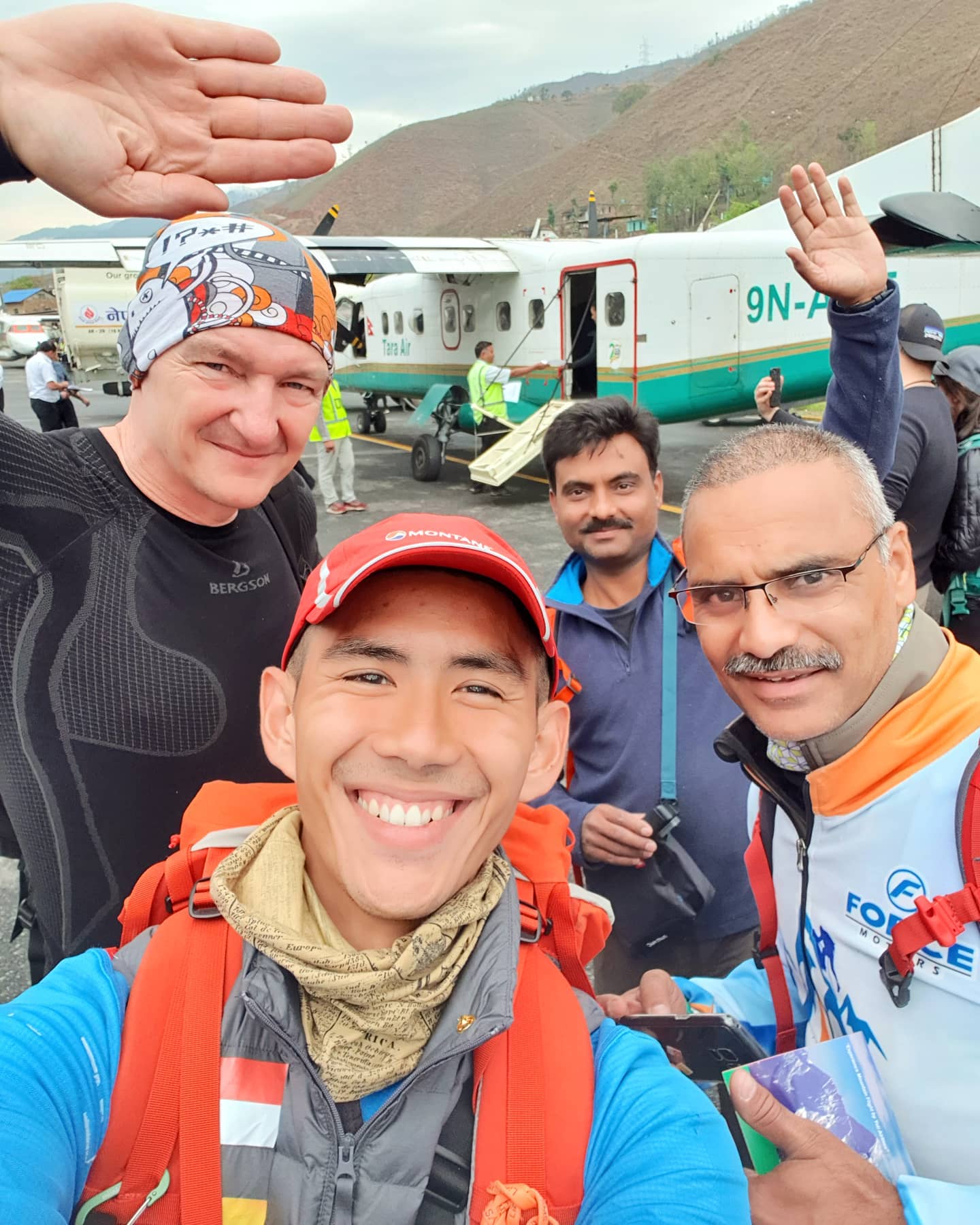
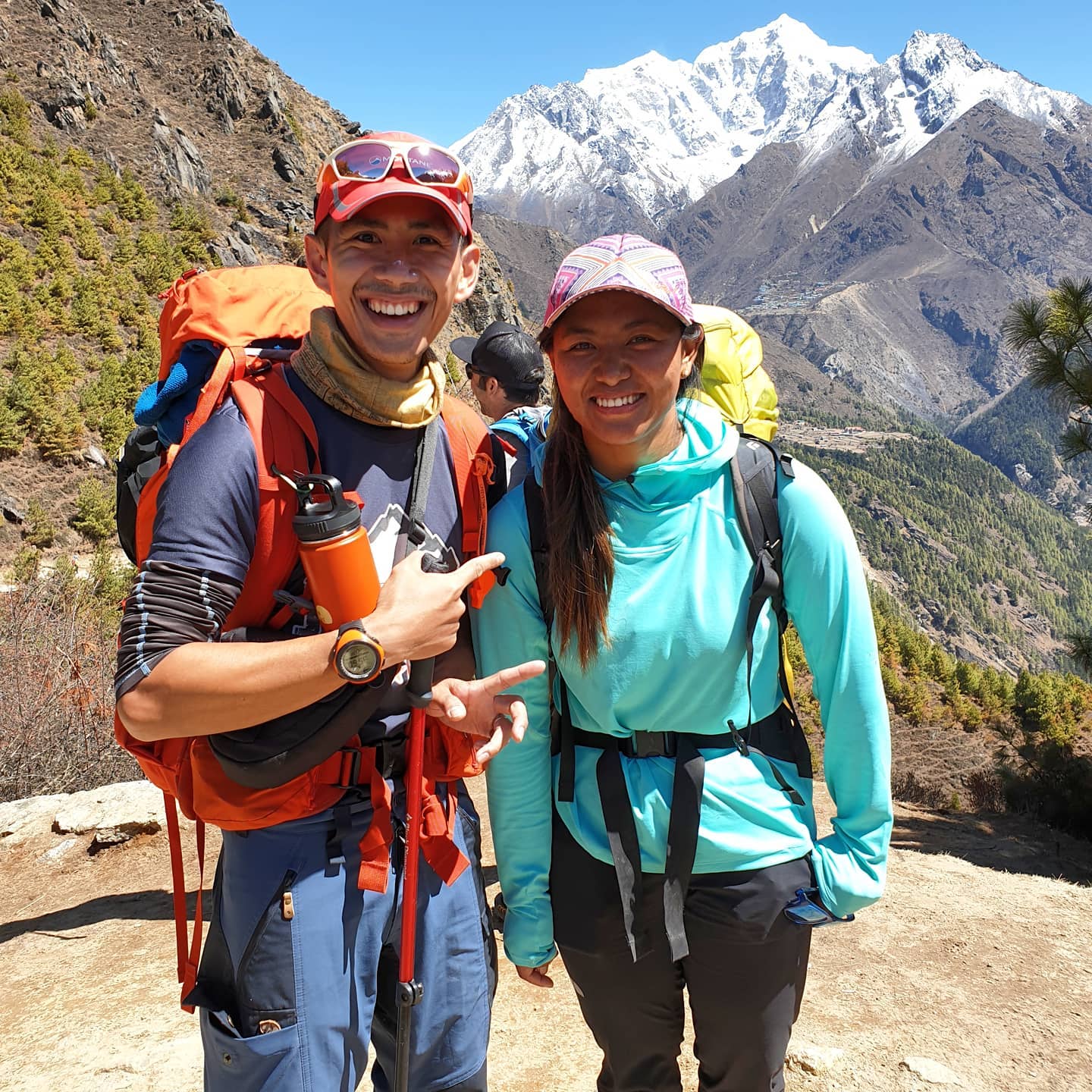
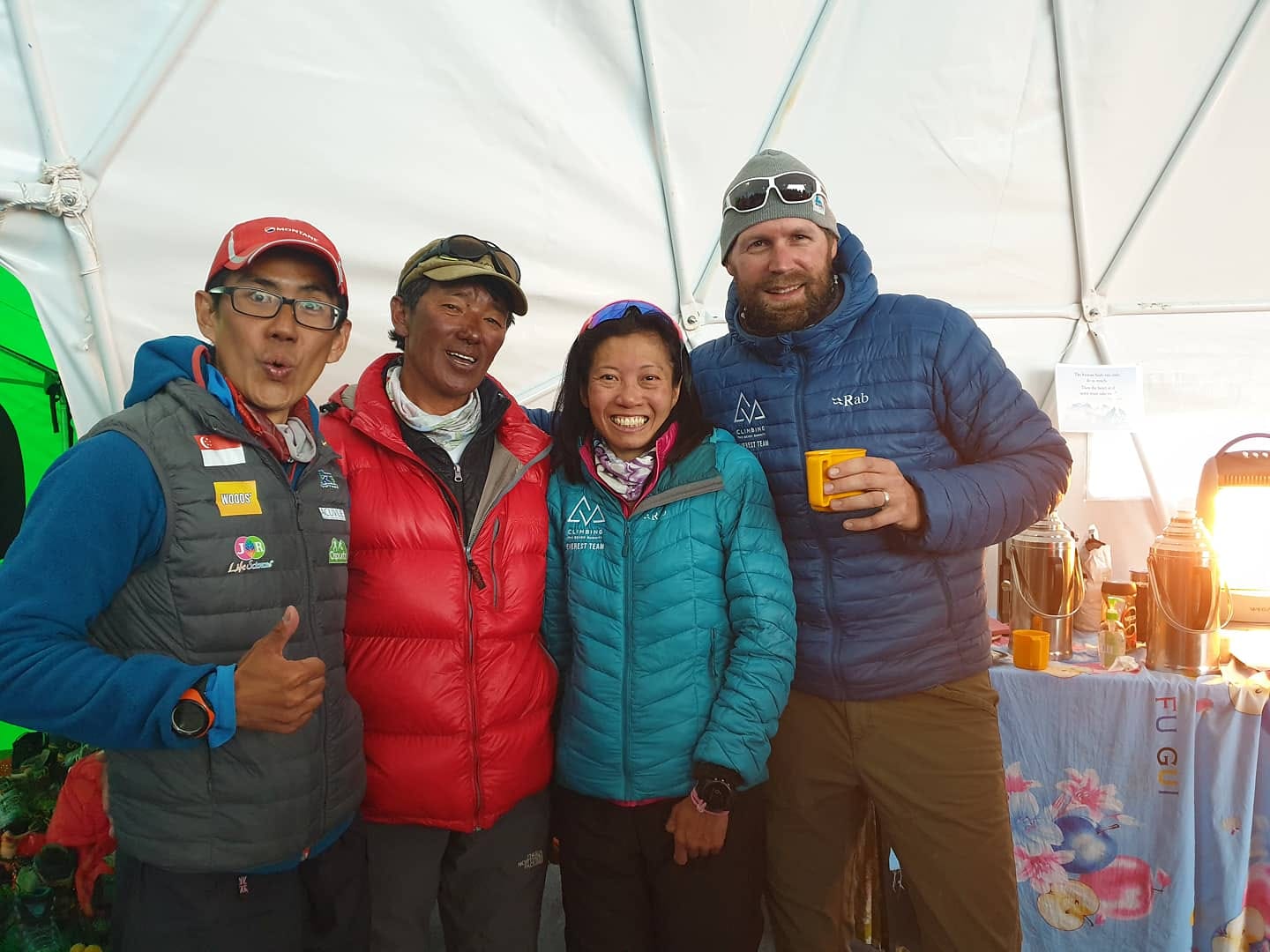
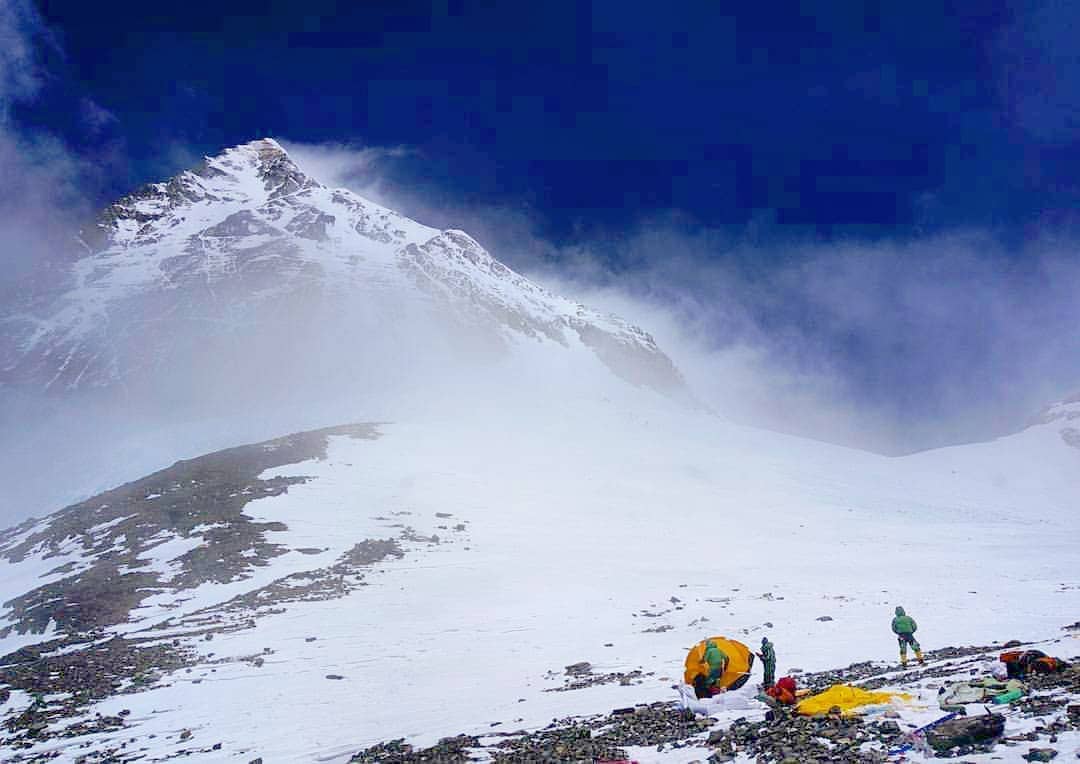
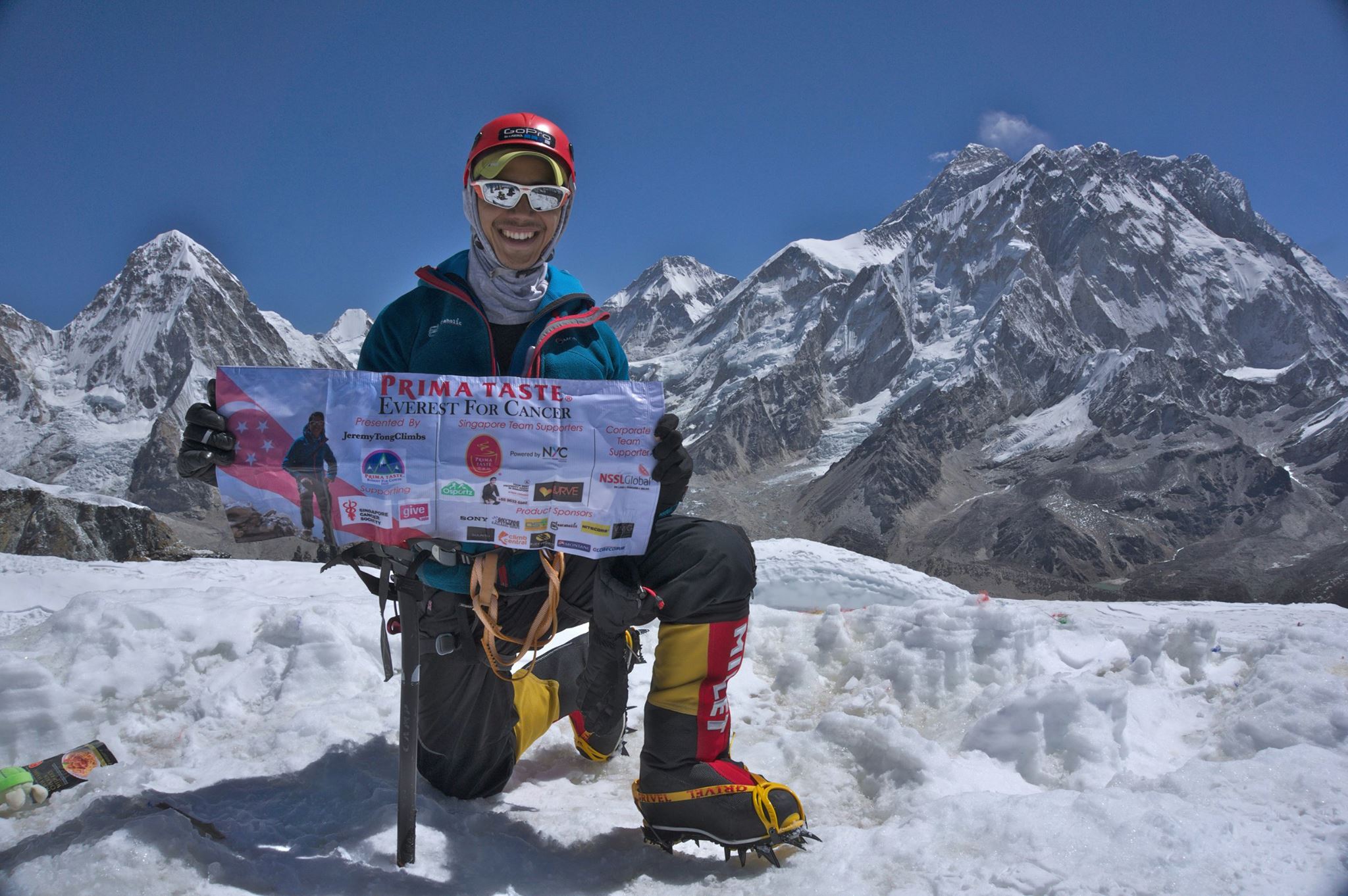
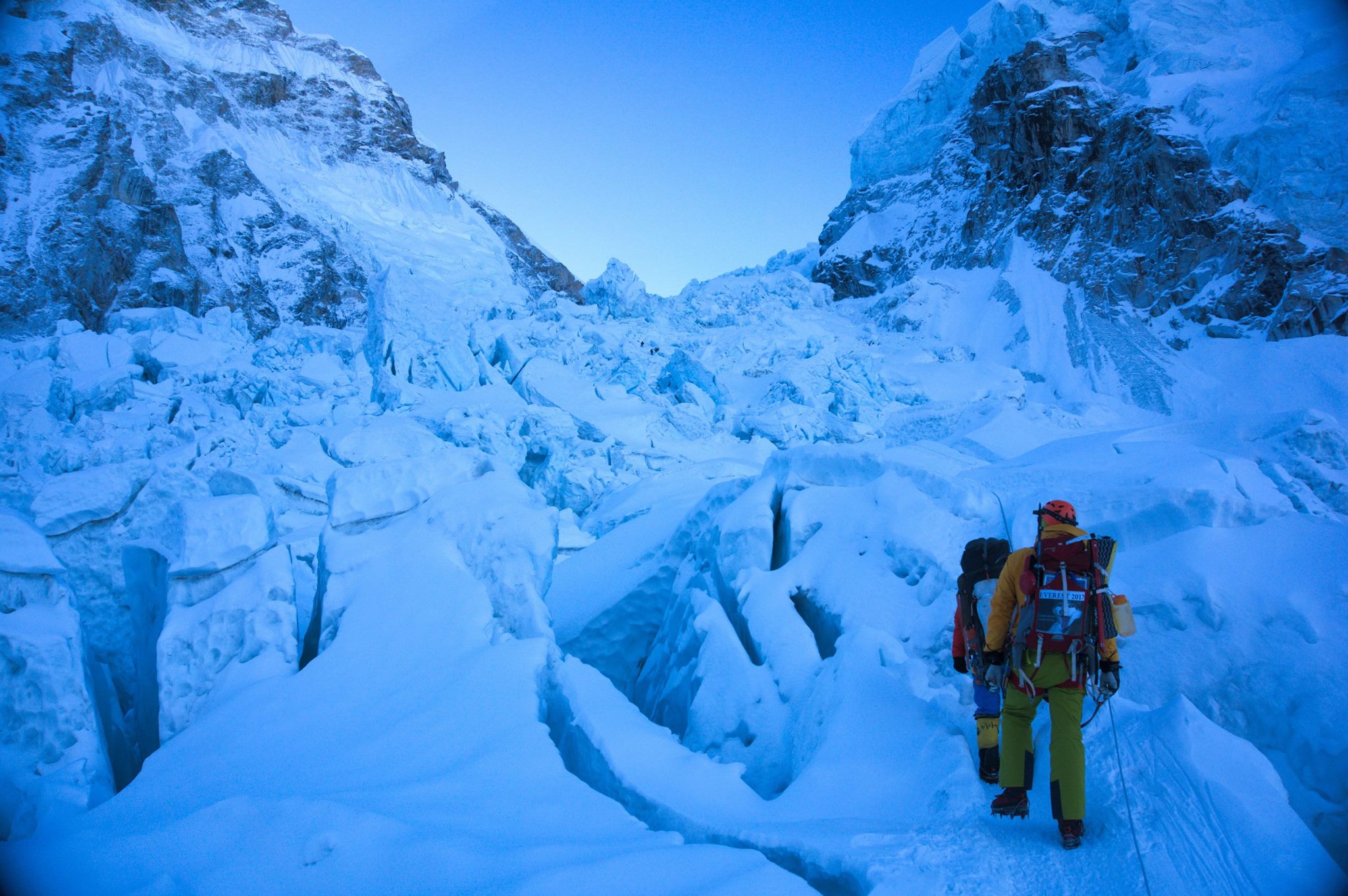
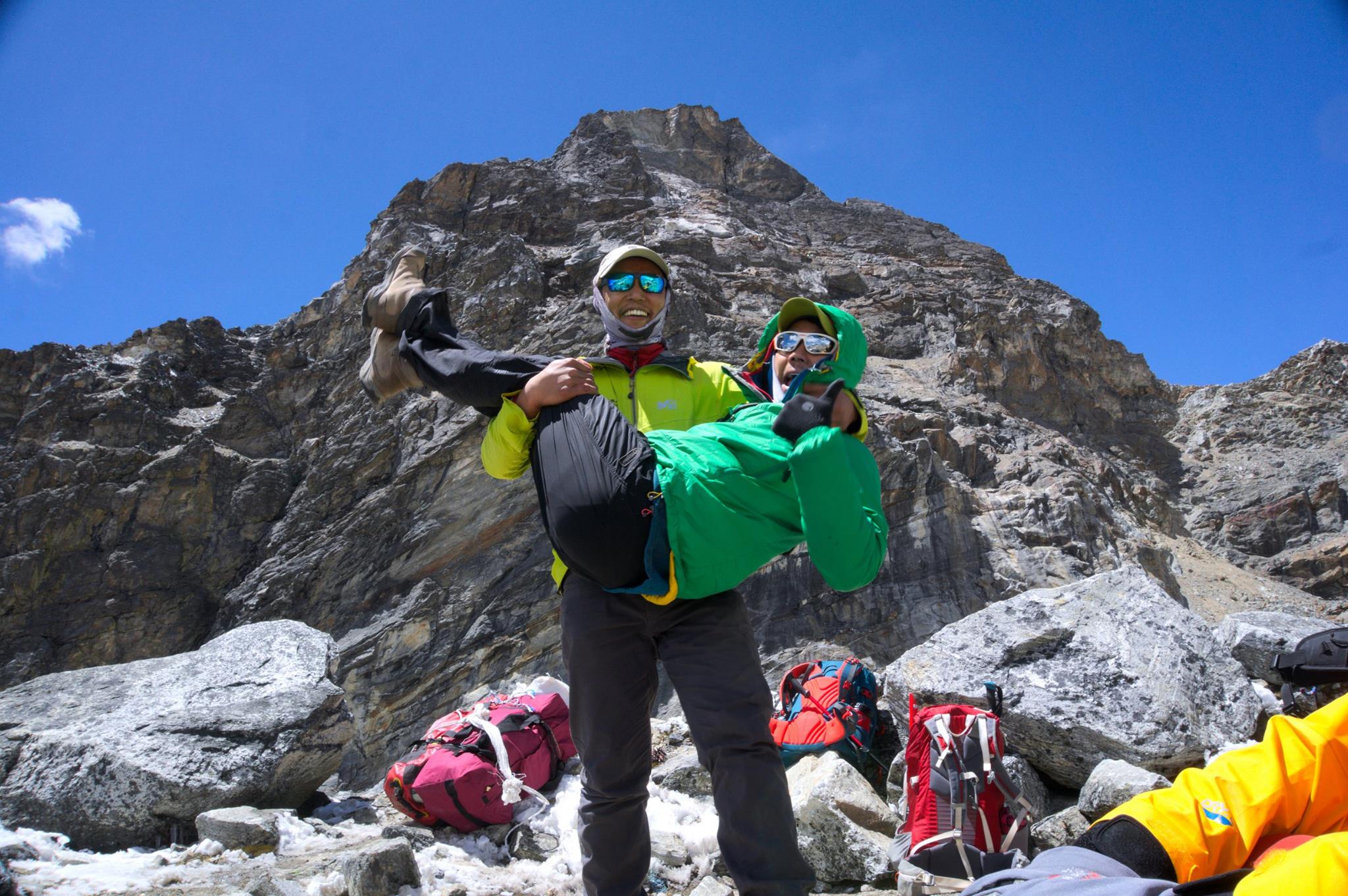
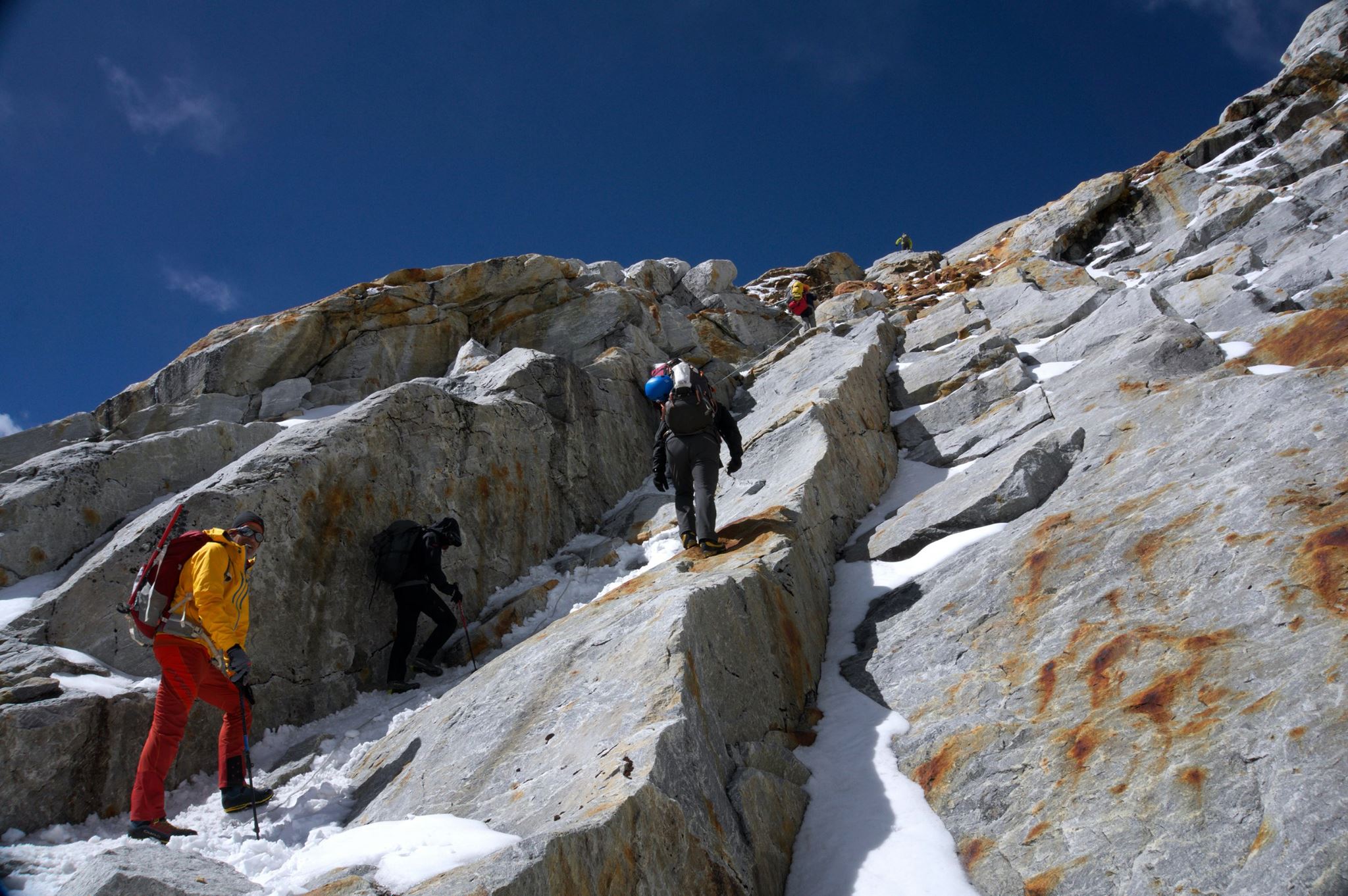
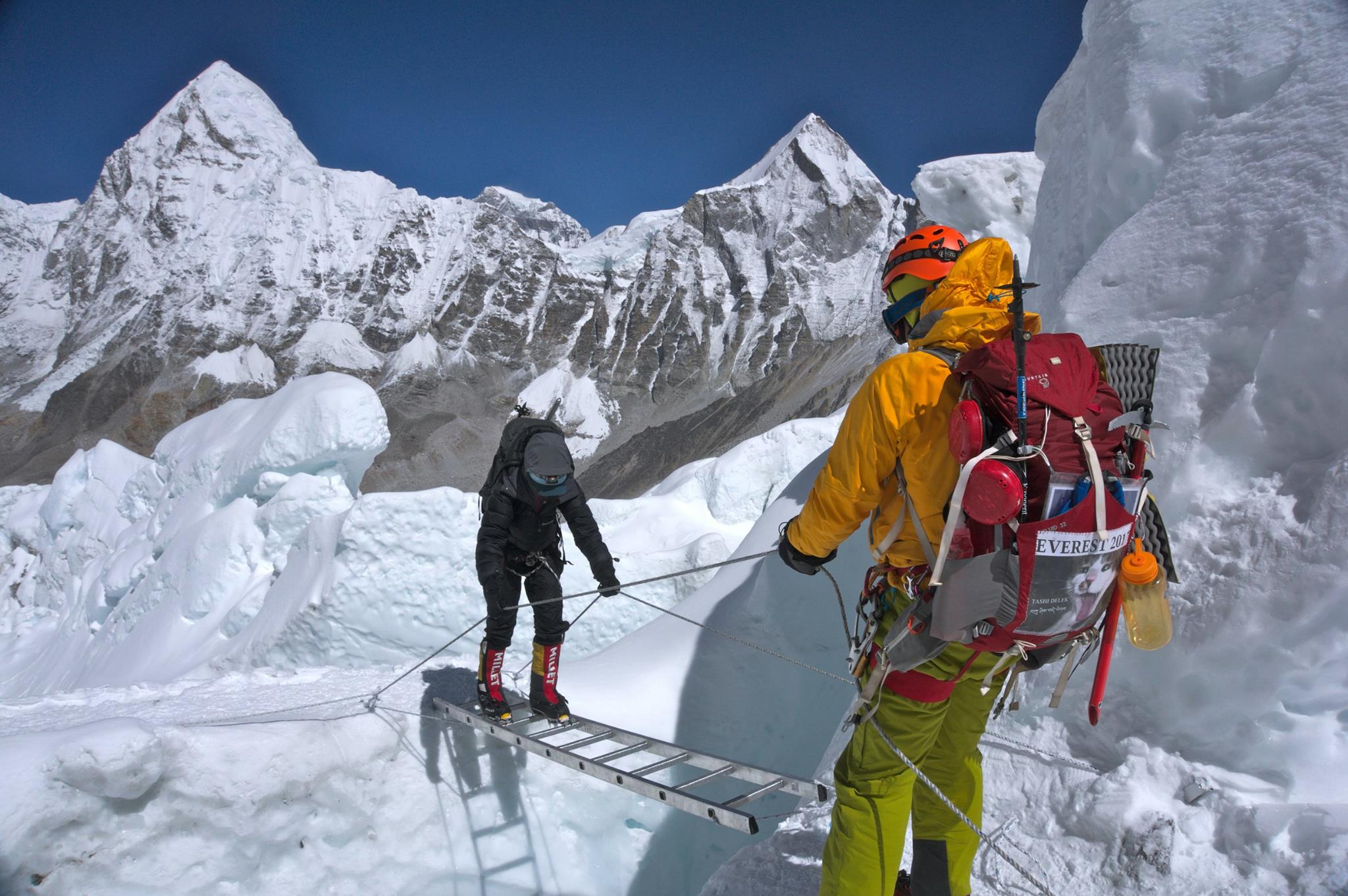
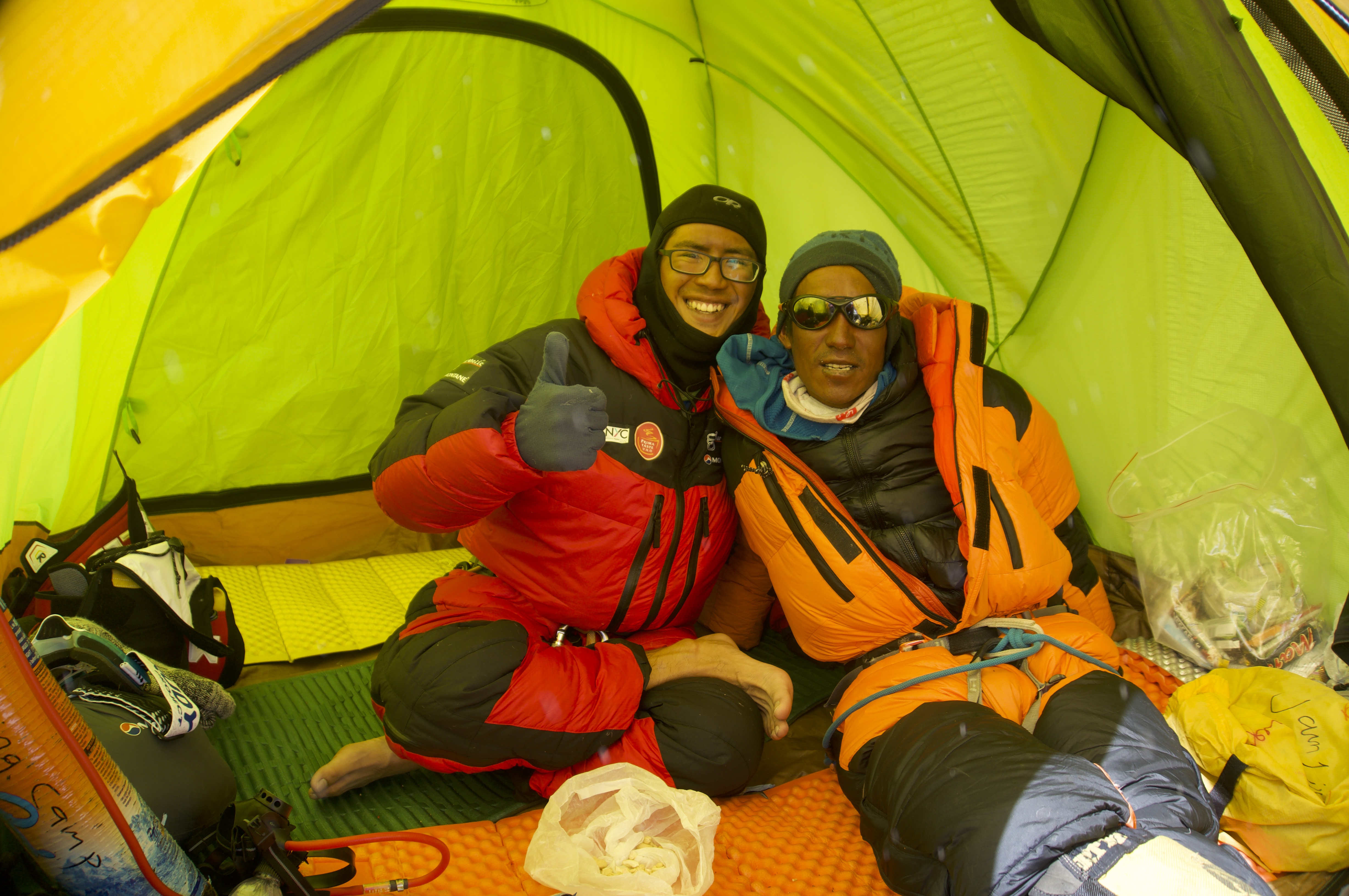
Determined to complete what I had started, I returned to Everest in 2019. This time, I joined an international team comprising climbers from various countries, each bringing unique strengths and experiences. Our journey began with a trek through the Khumbu Valley, acclimatizing and preparing for the ascent ahead. (The photos below are a combination of the 2017 and 2019 expedition). If you are keen to know more about the exact details of my Everest expedition, please look out for my upcoming first book that I have written.





The Climb: Camps and Challenges
My ascent followed the traditional South Col route, marked by a series of camps that serve as critical acclimatization and staging points:
- Base Camp (5,364 meters / 17,598 feet): Situated on the Khumbu Glacier, Base Camp is the starting point for climbers on the south side of Everest.
- Camp 1 (6,065 meters / 19,900 feet): Located above the Khumbu Icefall, Camp 1 is reached after navigating through a treacherous maze of seracs and crevasses.
- Camp 2 (6,400 meters / 21,000 feet): Situated in the Western Cwm, Camp 2 serves as the main acclimatization camp and base for climbing the Lhotse Face.
- Camp 3 (7,470 meters / 24,500 feet): Perched on the steep Lhotse Face, Camp 3 is a challenging and exposed location requiring fixed ropes for safety.
- Camp 4 (7,920 meters / 26,000 feet): Located on the South Col, Camp 4 is the final camp before the summit push. This area is within the “Death Zone,” where the oxygen level is insufficient to sustain human life for extended periods.
Summit Day: May 22, 2019
On the morning of May 22, 2019, we made our final summit push from Camp 4 on the South Col. The conditions were favorable, but the route was crowded — more than 200 climbers had targeted the same narrow summit window, leading to a dangerous bottleneck along the Southeast Ridge. The climb took close to 24 hours round trip from Camp 4 to the summit and all the way down to Camp 2, making it one of the most physically and mentally demanding days of my life.
But that day was also marked by profound tragedy.
One of my teammates, Donald Lynn Cash from Utah, USA, was among the climbers who reached the summit that day. Donald had just completed his dream of the Seven Summits — climbing the highest mountain on each continent. But moments after standing on the top of the world, he collapsed during the descent, near the Hillary Step. Despite the efforts of our Sherpa team to revive and assist him, he passed away on the mountain.
Donald was 55 and had been an inspiration to many — a man who left the corporate world to pursue his passion for adventure. We had shared meals, trained, and climbed together. His death shook our team to the core. It was a heartbreaking reminder of how unforgiving Everest can be, even in moments of triumph.
That day, at least 11 climbers lost their lives on the mountain. Overcrowding, fatigue, and lack of oxygen contributed to one of the deadliest seasons on Everest in recent history. The human traffic jam near the summit became a global news headline — a stark image of ambition, resilience, and the fine line between glory and danger.
Reflections
Reaching the summit was a moment of immense personal fulfillment. It symbolized not only the culmination of years of training and perseverance but also the importance of teamwork and resilience. Climbing with an international team enriched the experience, as we supported each other through the mountain’s trials.
Giving Back
Both of my Everest expeditions were dedicated to charitable causes. In 2017, I climbed to support the Singapore Cancer Society, and in 2019, I raised funds for the Children’s Cancer Foundation. Through these efforts, we collectively raised a total of $25,000 to support cancer patients and their families.
This expedition reinforced my belief in the power of determination and the human spirit’s capacity to overcome adversity. As I continue my journey towards completing the Seven Summits, I carry with me the lessons learned on Everest and the memories of those who shared the path.
Note: For more details on this expedition, you can refer to the articles from Channel News Asia and Asia One or watch my Channel News Asia Everest documentary here.
 Official Website of Jeremy Tong